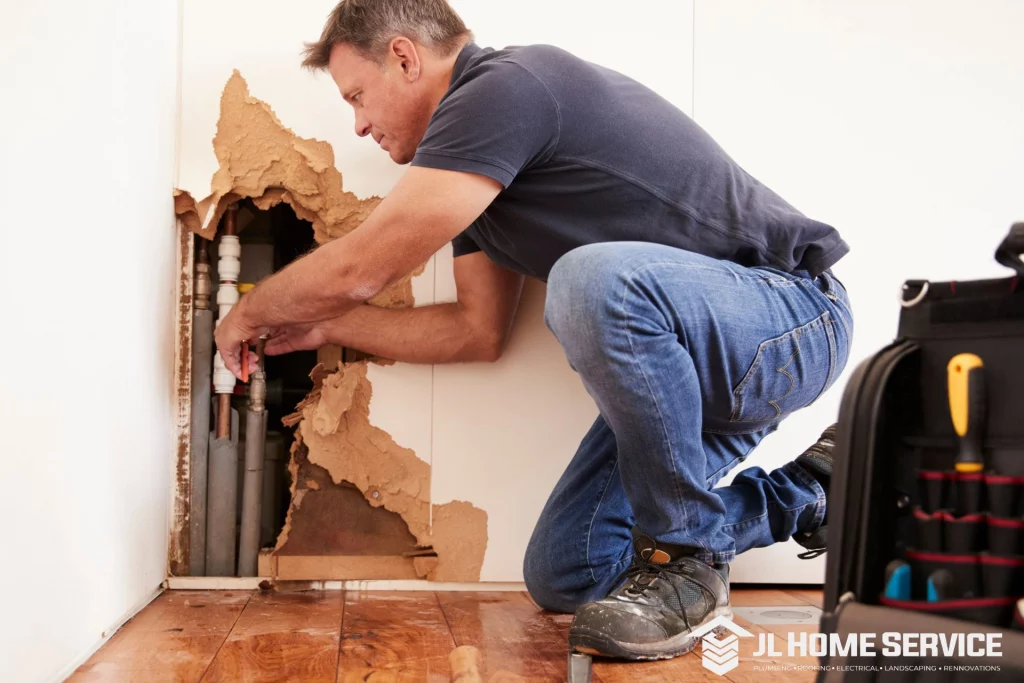
Your home’s plumbing system works behind the scenes every day. You probably don’t think about it more often until a pipe bursts and water starts appearing where it shouldn’t.
Many homeowners don’t realize that pipe bursts can cause serious water damage before visible signs appear. Fortunately, not every pipe burst results in extensive damage. Recognizing potential issues early and responding quickly can go a long way toward protecting your property and avoiding larger repair expenses.
In this guide, you’ll learn what causes pipe bursts, how to spot potential problems before they worsen, and the steps you can take to minimize damage and protect your home.
What Causes Pipe Bursts?
A pipe burst happens when a pipe breaks and water escapes, usually caused by issues that develop slowly over time. To better understand how to prevent this type of plumbing emergency, it’s important to look at these most common causes.
Aging and corrosion
Pipes wear out over time, much like other components in your home. This gradual deterioration is caused by chemical and environmental factors. Minerals in the water and corrosion can slowly weaken the pipe from within. Meanwhile, temperature changes, soil movement, and external pressure place additional stress on it from the outside.
Gradually, these factors weaken the pipe’s structural integrity, which increases the risks of leaks or sudden bursts.
High water pressure
For most homes, the ideal water pressure range is between 40 and 60 pounds per square inch (PSI). This range is enough to provide a steady, reliable flow of water while keeping stress on your plumbing system at a safe level.
Although high water pressure may seem like a benefit, it can actually put unnecessary strain on your pipes. The constant force pushes water through the system at a higher intensity than it is designed to handle, which can gradually weaken pipes, joints, and seals. This can eventually wear down your plumbing system and lead to costly issues if left unchecked.
Freezing temperatures
When temperatures drop below freezing (32°F or below), water inside pipes can solidify into ice. When water freezes, it expands and creates pressure. Since pipes are rigid and can’t stretch, the pressure keeps building until the pipe cracks or bursts, sometimes causing unexpected leaks inside the home.
This is especially common in pipes located in uninsulated areas like attics, basements, garages, and exterior walls.
External mechanical stress
External mechanical stress happens when pressure from outside the pipe causes it to weaken and sustain damage.
This can happen during home improvement projects, landscaping work, or when the ground naturally shifts around buried pipes. Even things like heavy loads or foundation movement can slowly put stress on the plumbing system.
Eventually, that added pressure can weaken the pipe enough to cause leaks or sudden bursts.
Early Warning Signs Your Pipes May Be at Risk of Bursting
Pipes rarely burst without warning. In fact, your plumbing often shows subtle clues that trouble is on the way. Spotting these early signs can save you from costly repairs and unexpected emergencies.
Unexplained increases in water bills
One of the most common indicators of a hidden plumbing issue is a sudden, unexplained spike in your water bill. If your household water usage hasn’t changed, this could mean water is escaping somewhere in the system due to a hidden leak.
Changes in water pressure
You may also notice changes in water pressure, such as weak or inconsistent flow. It can be a signal of a damaged or deteriorating pipe. A sudden drop in pressure often points to a leak, blockage, or corrosion inside the plumbing system.
Strange noises coming from the pipes
Banging, rattling, or whistling sounds in your plumbing signal underlying issues such as trapped air, sudden pressure surges (commonly known as water hammer), or loose pipes that vibrate against walls and other surfaces.
Musty odors and mold growth
Musty smells or visible mold growth are clear red flags that water is leaking somewhere in your home. Hidden leaks behind walls, under floors, or in crawl spaces create damp conditions that allow mold to grow and spread.
In addition to property damage, mold exposure can cause allergies, respiratory issues, and other health concerns you should never ignore.
Signs You May Already Have a Burst Pipe
When the subtle clues are missed, the result can be a full pipe rupture. Recognizing these symptoms quickly can help you contain the damage and secure professional help before it escalates.
No water flow
If you suddenly notice no water coming from your faucets or fixtures, it could be a sign of a serious plumbing problem, including a burst pipe. When a pipe breaks completely, it may cut off the water supply to certain areas of your home.
Water stains appearing quickly on walls or ceilings
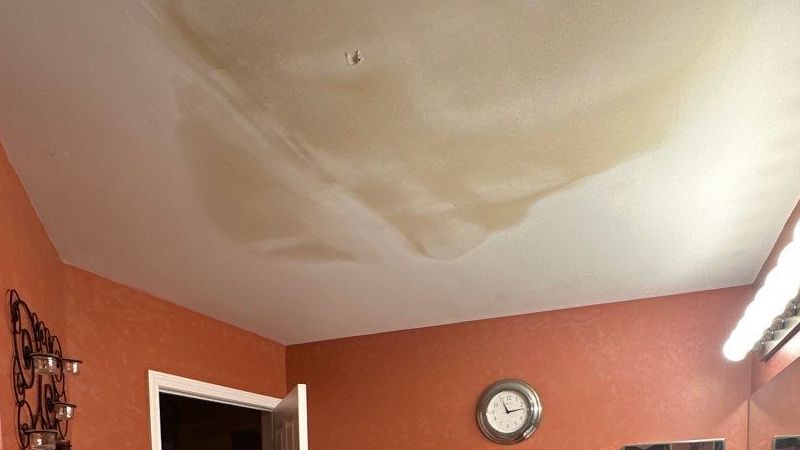
When you notice water stains spreading fast on walls or ceilings, chances are a pipe has already burst behind the surface. These stains show up as dark patches, yellow rings, bubbling paint, or even sagging drywall. They don’t just look bad — they signal active water damage that can quickly lead to mold and expensive repairs if you don’t act right away.
Puddles or standing water indoors
Puddles or standing water indoors almost always indicate a serious problem. When water collects where it should not, such as on floors, near walls, under furniture, or inside cabinets, it usually points to an active leak that needs immediate attention.
What to Do Immediately After a Pipe Bursts
Knowing where burst pipes are most likely to occur is only half the battle. The real challenge is responding quickly when it happens. Taking a few immediate steps can help limit water damage that comes with a plumbing emergency. Here’s what to do right away.
Shut off the main water supply
The first step after a burst pipe is to stop the water flow. If the leak is limited to a single fixture, you can close the local supply valve instead. Cutting off the water quickly is the most effective way to limit damage and keep the leak from spreading.
Turn off the electricity if it is safe to do so
If water is near outlets, appliances, or your breaker panel, shut off power to the affected area as soon as it’s safe. Use the breaker box to cut electricity, but avoid approaching it if the area is wet or flooded. Remember not to touch electrical equipment while standing in water.
Unsure how to proceed? Contact a qualified electrician or emergency professional for assistance.
If you’re in Concord, CA, and need immediate help, we’re here for you. We provide professional electrical services throughout Concord and nearby communities.
Move furniture and valuables to safety
Once the water is shut off, quickly move furniture, electronics, documents, and other valuables out of the affected area. The sooner you act, the better your chances of preventing permanent damage. If heavy pieces can’t be moved, place foil or blocks under the legs to keep them off wet floors.
Document the damage
Before cleaning up or making temporary repairs, take clear photos and videos of all affected areas. This documentation is necessary when filing an insurance claim and can also help repair professionals in assessing the full extent of the damage.
Contact a plumbing professional
After taking steps to limit the damage, contact a plumbing professional as soon as possible. A burst pipe requires prompt attention to restore your plumbing system and prevent additional issues from developing.
We offer plumbing services in Concord, CA, to help you through situations exactly like this. When you need a reliable plumber fast, we’re just a call away.
Contact your insurance company
Once the situation is under control, contact your insurance provider to report the damage and begin the claims process.
Be prepared to share photos, videos, repair estimates, and any other records related to the incident. Your insurance company can explain your coverage, recommend the next steps, and help determine whether the damage qualifies for a claim.
Common Areas Where Pipe Bursts Occur
Pipe bursts can occur throughout a home, but some locations are more prone than others. By focusing on these high-risk areas, you can monitor them closely and take preventive steps to reduce damage.
| High-Risk Area | Risk Factors | Warning Signs |
|---|---|---|
| Exterior walls | Exposed to cold, often poorly insulated | Water stains, wet insulation, ice buildup |
| Crawlspaces | Poor insulation and temperature swings | Standing water, dripping sounds, and damaged insulation |
| Basement ceilings | Hidden pipes and aging materials | Stains, sagging, moisture spots |
| Near water heaters | High pressure and heat stress | Wet floors, rust stains, mineral deposits |
| Under sinks | Joint failures and corrosion | Cabinet damage, musty smells, visible drips |
Simple Ways to Prevent Pipe Bursts
Most pipe bursts are preventable. Use these effective methods to protect your plumbing and reduce the risk of future problems.
Cold weather pipe protection
Freezing temperatures are one of the most common causes of pipe bursts. It is a necessity to prepare your pipes before the weather gets cold to prevent plumbing emergencies.
- Insulate exposed pipes: Wrap pipes in basements, crawlspaces, attics, and exterior walls with foam sleeves or insulation.
- Seal drafts: Close gaps around windows, doors, and foundations to block cold air from reaching vulnerable pipes.
- Maintain steady indoor heat: Keep consistent temperatures throughout the home, even in unused rooms.
- Open cabinet doors: Allow warm air to circulate around pipes under sinks during extreme cold.
- Drain outdoor lines: Disconnect hoses, shut off exterior spigots, and drain sprinkler systems before freezing weather arrives.
- Let faucets drip: During severe cold snaps, a slow drip keeps water moving and reduces pressure buildup.
Regular maintenance
Significant damage to pipes usually begins as small problems that go unnoticed. Preventive maintenance helps catch these minor issues early.
- Inspect joints and fittings: Look for rust, leaks, or loose connections that weaken pipes.
- Replace aging pipes: Upgrade old materials with modern options like cross-linked polyethylene (PEX) or copper for durability.
- Schedule plumbing inspections: Have a professional check your system annually to catch hidden problems early.
- Flush water heaters: Remove sediment buildup that increases pressure and stresses pipes.
- Test shut‑off valves: Make sure valves work properly so you can quickly stop water flow in an emergency.
- Check appliance connections: Inspect washing machines, dishwashers, and refrigerators for secure hoses and fittings.
Monitor your plumbing system
Paying attention to subtle changes in your plumbing system can help you identify potential issues before they lead to costly repairs.
- Check water pressure: Use a gauge to ensure pressure stays within safe limits (40–60 psi is ideal).
- Watch for warning signs: Look out for stains, drips, musty odors, or unusual noises in your plumbing.
- Track seasonal changes: Pipes expand and contract with temperature shifts; monitor vulnerable areas during extreme weather.
- Review utility bills: Unexpected spikes in water usage may signal hidden leaks.
Why Professional Pipe Burst Repairs Matter
It may be tempting to handle burst pipes on your own. However, a DIY quick fix may sometimes worsen the actual condition of your system. When a pipe bursts, time is critical.
Professional plumbers provide an immediate and accurate response to stabilize the damage before it spreads. Their experience allows them to quickly identify the source of the leak, assess the extent of the damage, and recommend the most effective solution to restore your plumbing system.
Moreover, their qualifications ensure that every repair they perform meets industry standards.
Conclusion
Dealing with burst pipes is never convenient, but it’s a smart move for minimizing damage and protecting your home from long-term damage. Knowing the causes, warning signs, and next steps to take allows you to catch problems before they escalate.
When a burst pipe does strike, don’t leave it to chance. A trusted and qualified plumber can help you put safeguards in place so it doesn’t happen again.