What if you could add more living space to your property without moving to a new home? An accessory dwelling unit (ADU) can help make that possible. It can give family members a place to live, serve as a guest house, or bring in rental income. However, building one also comes with costs and other challenges.
This guide explains what an ADU can offer and what to consider before making plans for your property.
What Is an ADU?
An accessory dwelling unit (ADU) is a smaller, separate home built on the same property as a main house. It has its own living space and basic features, such as a kitchen, bathroom, and sleeping area.
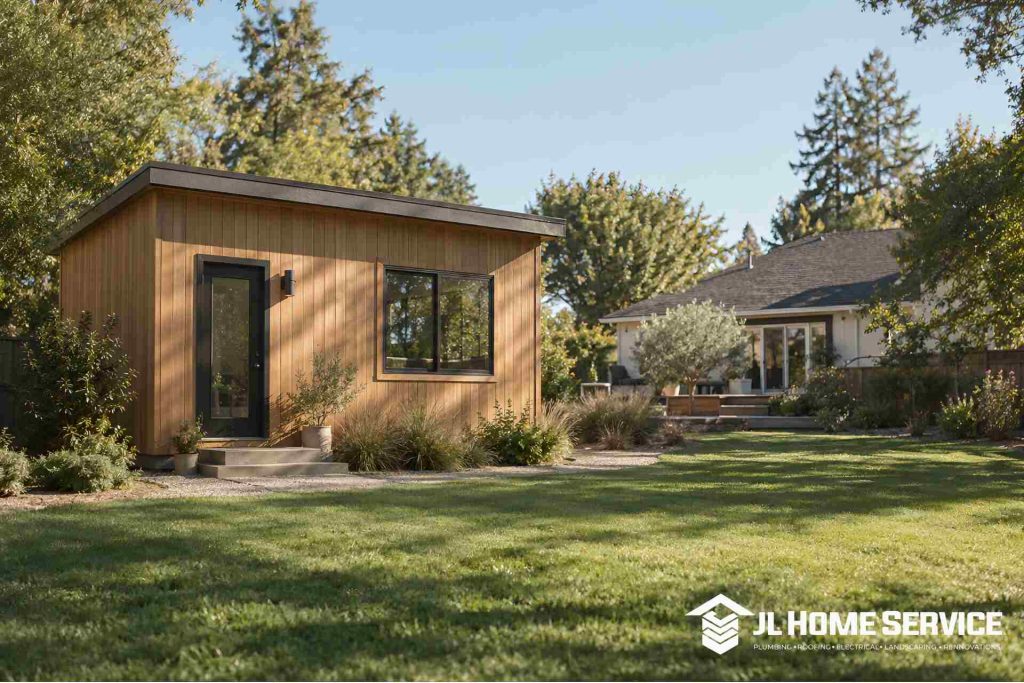
There are several types of ADUs to choose from. A detached ADU is a separate building, like a small backyard home. An attached ADU is built next to the main house and has its own entrance. Another option is to turn a garage into a living space. A junior ADU (JADU) uses part of the main house to create a small living unit.
Each type offers a way to add living space based on the property’s layout and the homeowner’s needs.
Pros of Building an ADU
Building an ADU can help you use your property in new ways. From extra living space to possible rental income, it offers several advantages.
Affordable housing
One of the biggest benefits of building an ADU is that you can add a separate living space without buying another property. Since an ADU is smaller than a full-sized house, it may need fewer materials and cost less to build. This can make it a more affordable way to add living space to your property.
Potential rental income
If you have extra space on your property, you can build an ADU and rent it out to earn extra money. You can use the rent to help pay your mortgage, cover home repairs, or pay other bills. This lets you get more value from your property while providing a place for someone else to live.
Increased home value
Adding an ADU can increase your property’s value by creating more living space. It gives family members or guests a separate place to stay, which may appeal to buyers. This extra space can help your home stand out from others without an ADU.
Space for family members
If you want your family to live nearby, an ADU can be a practical choice. It gives aging parents, adult children, or other relatives a separate home on your property. This makes it easier to spend time together and offer help when needed.
Related: ADUs for the Elderly: A Complete Guide for Families
Flexible living options
An ADU can be used in many ways to fit your changing needs. Besides giving relatives a place to stay, it can serve as a guest house, home office, or hobby room. You can also rent it out if you no longer need the space for personal use or you need extra income.
Cons of Building an ADU
Building an ADU can be a good investment, but it takes time and planning. Knowing the possible costs and challenges can help you prepare before construction starts.
Construction costs
Many factors affect the cost of an ADU. Along with materials and labor, you should also plan for permits, utility connections, and site preparation. The unit’s size, design, location, and property conditions can also affect the final price. Understanding ADU construction cost can help you set a realistic budget.
Zoning and permitting
California has made it easier to build ADUs, but local rules and permits can still be a challenge. In Contra Costa County, you may need planning approval and a building permit before construction starts. Rules for size, height, setbacks, and parking can affect your plans.
Space limitations
An ADU gives you more indoor space but can take up part of your yard. This may leave less room for gardening, parking, or outdoor activities. That’s why choosing the right size and layout is important to make the most of your property.
Loss of privacy
Privacy can become a concern when an ADU shares a driveway, walkway, or backyard with your main home. If family members, guests, or tenants live in the unit, you may see or interact with them more than expected. Noise can also become an issue, and some areas may feel less private. Separate entrances and outdoor spaces can help each household enjoy its own space.
Extra utility and maintenance costs
The costs of owning an ADU do not end after construction. Water, electricity, and waste services can add to your monthly expenses. You will also need to clean the unit, repair damaged parts, and keep its plumbing and appliances working properly.
Conclusion
Deciding to build an ADU starts with knowing what you need and what you can afford. An ADU can provide space for family, rental income, or added home value. But you should also consider permits, upkeep, and the outdoor space you may lose.
Start by checking your property and setting your goals. JL Home Services helps homeowners plan their ADU projects. Our licensed and insured team can review your plans and provide an estimate. Learn more about our ADU Building Services in Contra Costa County and nearby areas to understand your options.