
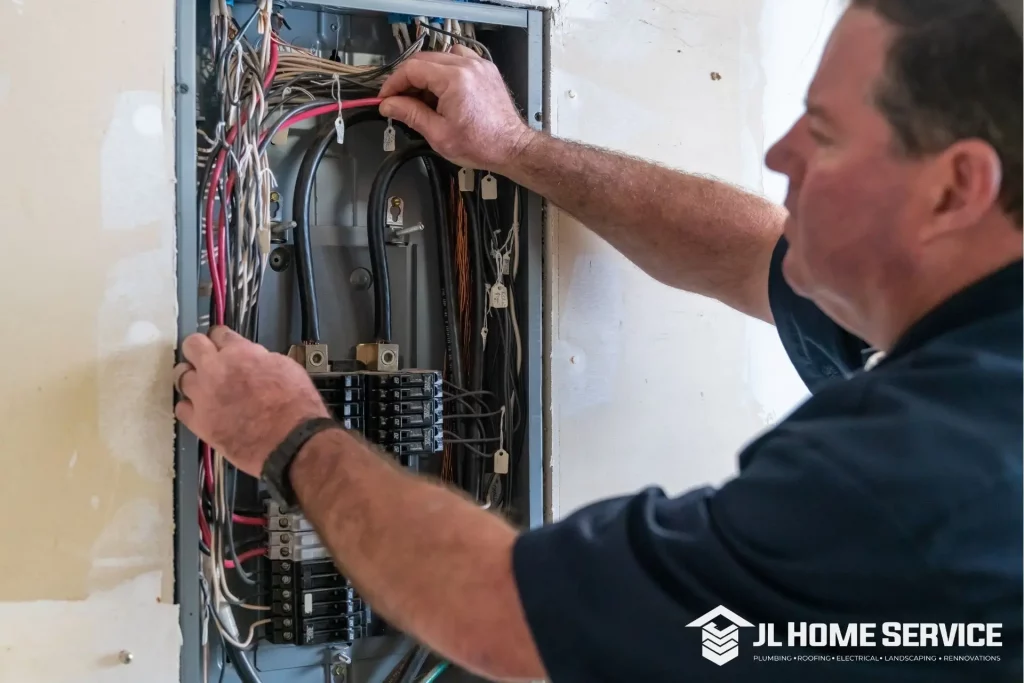
When a circuit breaker trips, it means the electrical system is doing its job – detecting something unsafe and shutting off to prevent damage. If it trips repeatedly, it’s a sign that something in your system needs attention.
Circuit breaker tripping is one of the most common electrical issues homeowners face. In fact, it can happen even at the worst possible time. Sometimes, it happens in the middle of cooking dinner or working from home.
It’s inconvenient and frustrating, but it doesn’t have to be that way. Once you understand what’s behind it, you’ll find it easier to fix the problem and prevent it from happening again.
This article will walk you through the common causes of circuit breakers tripping, how to fix them, and tips to prevent future electrical issues in your home.
Common Causes of Circuit Breakers Tripping
Repeated breaker trips aren’t just mere inconveniences — they’re usually a warning sign of an electrical issue. Here’s what you should watch out for:
Overloaded circuit
Each electrical circuit has a maximum capacity. When too many devices or high-powered appliances draw electricity from the same circuit, it can place excessive strain on your electrical system.
For example, while working in the garage, you use a power saw and an air compressor at the same time. Because both tools require a significant amount of electricity, the circuit may become overloaded and shut off power to protect your wiring, appliances, and home from damage.
Short circuit
When electricity takes an unintended path through the wiring system, it can create a surge of current that causes overheating. For example, moisture from a plumbing leak or water exposure can disrupt the normal flow of electricity and trigger a short circuit. Because they can quickly create fire hazards, short circuits are among the most serious electrical issues.
If you suspect a short circuit or any urgent electrical issue, our licensed electricians are just a call away. We provide professional electrical services across Concord and nearby communities.
Ground fault
A ground fault is similar to a short circuit in that electricity leaves its intended path. However, instead of flowing between wires, the current travels directly to the ground.
To add extra protection in moisture-prone areas such as the kitchen, laundry room, or porch, Ground Fault Circuit Interrupter (GFCI) outlets or breakers are used. These devices automatically shut off power when a fault is detected
Faulty appliances and electronics
You plug in a microwave or turn on an appliance, and suddenly the breaker trips. When this keeps happening with just one appliance, the issue is often the appliance itself. Devices with damaged parts and wiring can create irregular electrical flow or overload a circuit.
Wiring issues and arc faults
Damaged or aging wiring can cause circuit breakers to trip when electrical current does not flow properly. This can lead to arc faults, in which electricity forms tiny sparks that jump across gaps in the wiring and produce heat.
| Cause | Warning Signs | Recommended Actions | Safety Level |
|---|---|---|---|
| Overloaded Circuit | Lights dimming, breaker trips when too many devices are plugged in | Unplug or redistribute devices; add new circuits for heavy appliances | Moderate: usually safe if managed quickly |
| Short Circuit | Sudden trip, sparks, burning smell, sometimes visible damage | Stop using the circuit; call an electrician to inspect wiring and connections | High: fire risk if ignored |
| Ground Fault | Breaker trips when the appliance touches water or a metal surface; GFCI outlet trips | Reset GFCI outlet; repair faulty wiring; replace damaged appliances | High: shock hazard |
| Faulty Appliances & Electronics | Breaker trips when a specific device is used; unusual noises or overheating | Stop using the appliance; repair or replace faulty equipment | Moderate: depends on appliance condition |
| Wiring Issues & Arc Faults | Frequent trips, buzzing sounds, burning odor, or visible wire damage | Professional inspection; repair, or replacement of outdated or damaged wiring | High: serious fire hazard |
When to Call a Professional Electrician
There are some circuit breaker trips that can be solved with simple fixes, such as simply reducing electrical loads or unplugging faulty appliances.
However, when the trip keeps repeating and greatly affects the safety of your home, it’s best to rely on a licensed electrician. Their knowledge and expertise ensure your home’s electrical system is repaired correctly and operates safely.
Immediate Safety Steps to Take Before Help Arrives
When a breaker trips, safety should be your first priority. Knowing what to do right away can make all the difference. Here are the immediate safety steps to follow until a qualified professional can take over.
- Unplug appliances: Unplug devices from affected circuits instead of repeatedly resetting the breaker.
- Do not touch outlets or cords: Warm, burnt‑smelling, or scorched ones may cause shock or fire.
- Keep water away: Water conducts electricity. Moisture near outlets or devices can cause shocks and ground faults.
- Do not attempt DIY electrical work: Even simple fixes can expose you to shock or fire hazards.
Conclusion
Protecting your home from electrical hazards can be challenging, especially when identifying the root cause of issues like circuit breaker trips is not always easy. Understanding what you need to know about the circuit breaker tripping helps homeowners recognize warning signs and avoid relying on quick fixes that may put your home at risk.
Investing in trusted professional help not only saves time and frustration but, more importantly, prioritizes your family’s safety.