Have you ever ignored a slow drain because it still emptied? A slow drain does not always mean there is major damage. However, if it keeps happening, the sewer line may be partly blocked.
If the blockage gets worse, wastewater can back up into toilets, sinks, showers, or floor drains. Knowing the common causes and warning signs of a sewer backup can help you act before the condition gets worse.
What is a Sewer Backup?
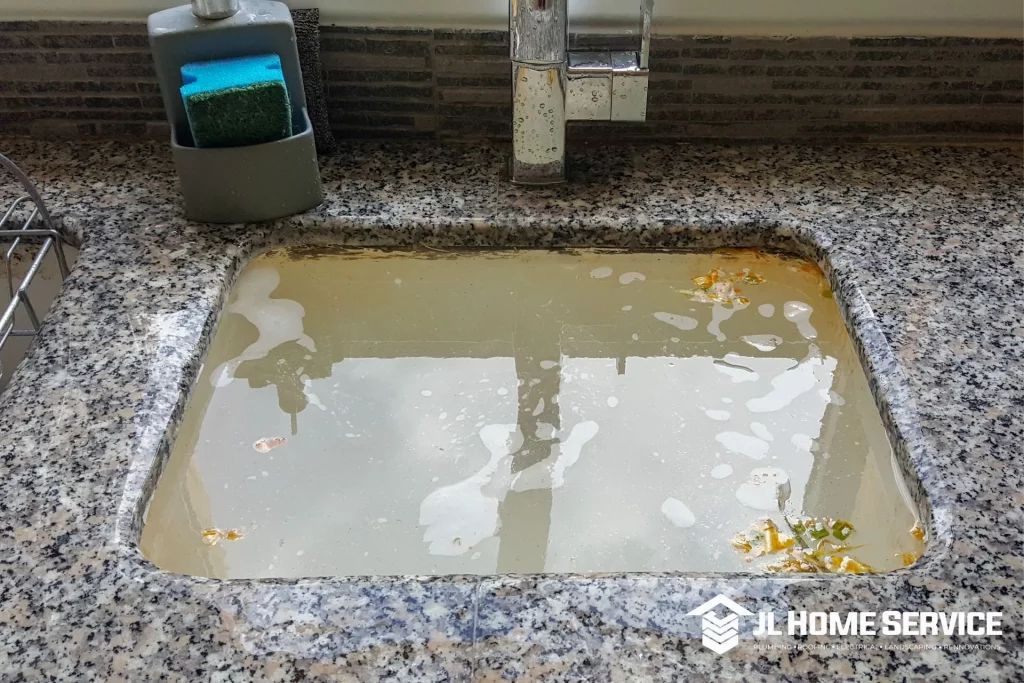
A sewer backup happens when wastewater cannot flow away from your home. Instead, it may overflow through toilets, sinks, showers, or floor drains.
Remember that not every clogged drain is a sewer issue. A drain clog is usually limited to one fixture and the nearby pipe. A main sewer line clog affects the main pipe that carries wastewater from several fixtures out of the home. This can cause multiple drains to slow down or back up at the same time.
A sewer backup can cause more than a clogged drain. Dirty water may enter your home, damage your property, and leave behind bad odors. It can also create health concerns, so it is important to act quickly.
Common Causes of Sewer Line Backup
Many sewer backups are caused by problems that develop inside or around the sewer line. The sections below explain the most common causes and why they can lead to a backup.
Blocked main sewer line
The main sewer line is the path wastewater takes to leave your home. Grease, hair, food scraps, and other debris can build up inside the pipe. When the buildup becomes too large, wastewater may stop flowing and start backing up.
Because the main line connects to several fixtures, the signs may appear in more than one place. You may hear your toilet bubble, see water rise in the shower, or find that several drains are slow.
Aging or damaged sewer pipes
After many years of use, sewer pipes can become worn without showing clear signs of damage. Cracks can form, rust can weaken the pipe, and sections can shift out of place. If part of the pipe collapses, it can block the line and stop wastewater from flowing.
For example, a homeowner may deal with a small drain blockage that seems unrelated. The kitchen sink drains slowly one week, then the laundry drain backs up the next. When problems start showing up in different parts of the home, the damage may be farther down the sewer line.
Older homes are more likely to have these issues because their sewer systems have been in place for many years.
Tree root intrusion into sewer pipes
Trees near your home can sometimes cause problems underground. Small roots can enter through cracks or loose joints in a sewer pipe. Once inside, they can spread through the pipe and make the opening smaller.
Eventually, the roots may block wastewater from flowing properly. This can cause recurring drain problems or a backup.
Heavy rainfall
Every sewer system can only handle so much water at one time. Heavy rain can send more water into the system than the pipes can carry. When the system reaches its limit, wastewater may flow back toward homes.
For example, after several hours of heavy rain, water may start coming up through a floor drain. This can happen when the sewer system is too full to handle the extra water.
Improper plumbing connections
Sometimes, the problem is not the sewer pipe itself but how other pipes connect to it. A wrong plumbing connection can allow extra water to enter the sanitary sewer line. This may include rainwater from drains or groundwater from other sources.
A downspout may be connected to the sewer line instead of draining rainwater into the yard. During heavy rain, the extra water can quickly fill the sewer line and may cause wastewater to flow back into the home.
Warning Signs You May Have a Sewer Line Backup Problem
You do not need to see wastewater on the floor to know there may be a sewer problem. Changes in how your drains and fixtures work can be early clues that the main line needs attention. Common signs include:
- Multiple slow drains
- Gurgling toilets or drains
- Water backing up into fixtures
- Sewage smells
- Water coming from floor drains
- Repeated drain clogs
What to Do Immediately After a Sewer Backup
Once wastewater backs up into your home, safety should come first. Acting quickly can help limit damage while you wait for professional help.
Stop using water
When a sewer backup starts, it is best to pause normal water use around the house. Do not flush toilets, run the washing machine, take a shower, or use sinks until the problem is checked.
For example, flushing a toilet sends more water into the sewer line. If the line is blocked, the water may come back through a nearby drain instead of flowing out. Using less water can help prevent the backup from getting worse.
Shut off electricity to the flooded areas
A flooded area can become dangerous if water reaches electrical outlets or appliances. Do not walk through the water or touch anything plugged in.
If the electrical panel is in a dry, safe place, turn off the power to the flooded area. If you would need to step into water to reach it, do not try. Call a licensed electrician instead.
Call a professional plumber
When a sewer backup affects several drains, it may be time to call a professional. A plumber can use tools such as a sewer camera to look inside the pipe and locate the source of the backup.
For example, a homeowner may keep clearing the same drain, but the backup returns after a few days. The repeated backup may point to an issue that needs more than a quick fix.
Relieve pressure
A clogged sewer line can cause wastewater to flow back into your home. An outdoor cleanout may give the water a place to drain outside. Since sewage can spill out quickly when the plug is opened, it is safer to have a professional handle this step.
If you must go near the area, wear waterproof gloves, boots, and eye protection. Keep your skin away from the dirty water.
How to Prevent a Sewer Line Backup
It is easier to prevent a sewer backup than to deal with one after it happens. A few simple habits can help keep your sewer line clear and working properly.
Schedule regular sewer line inspections
A sewer line may look fine from inside your home while problems are growing underground. Regular inspections can help find issues before they turn into major blockages.
For example, tree roots may start growing into a crack. They may not cause a problem right away, but they can grow and block the pipe later.
Be careful what goes down your drains
Your sewer line carries waste away from your home, but not everything belongs in it. Keep wipes, paper towels, grease, oil, and food scraps out of your drains. Use a trash can for items that should not go down the drain.
Use a strainer in the kitchen sink to catch food scraps. Pour cooled grease into a container and throw it away instead of putting it down the drain.
Install a backwater valve
A backwater valve works like a one-way door for wastewater. It lets water flow out of your home but closes when sewage tries to flow back in.
For example, a blocked sewer line can force wastewater back toward your home. A backwater valve can close and help keep the dirty water out.
A plumber can check your sewer system and see if a backwater valve is right for your home. Proper installation helps make sure it works when you need it.
Maintain trees near sewer lines
Large trees near sewer lines may increase the risk of root problems. Keep track of where your sewer line runs and pay attention to trees growing nearby.
Regular tree care can also help manage root growth around your property. If roots are affecting the sewer line, a plumber can remove them and check for pipe wear.
Is a Sewer Backup Covered by Homeowners Insurance?
A sewer backup can cause costly repairs to floors, walls, furniture, and personal items. However, standard homeowners insurance may not cover this type of property damage.
Some insurance plans offer sewer backup coverage as an added option. This coverage may help pay for certain cleanup and repair costs. Check your policy or ask your insurance provider what is covered so you know what to expect.
Need Help with a Sewage Backup?
If you have had a sewer backup, it is worth checking the line before the problem returns. If you are unsure what caused it, getting expert advice can help. A professional plumber can also tell you if your sewer system needs attention.
JL Home Services can inspect your sewer line, explain the findings, and recommend the right next step. Acting early may help prevent repeat backups and reduce the risk of costly repairs. Call +1 (510) 224-5643 to schedule professional plumbing service.