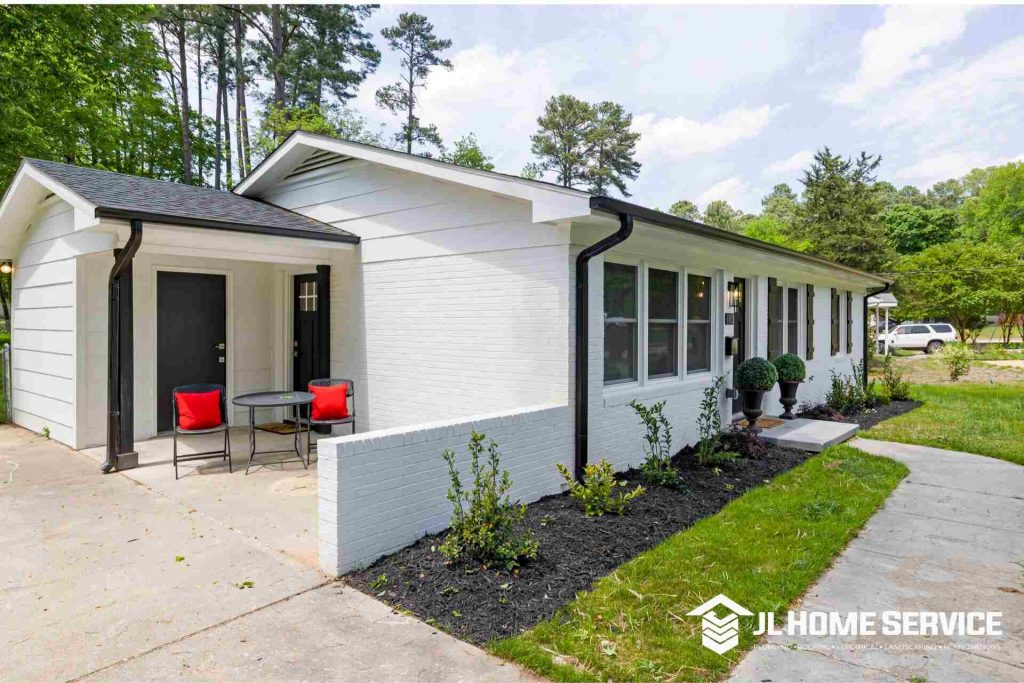
can be a place for family, a private area for guests, or a rental unit. For some homeowners, it is also a way to make better use of the space they already have.
The first step is finding out if you can build one. The space you have is important, but it is not the only thing to consider. You also need to know what your city or county allows.
State and local rules can set limits on ADUs. Lot size, setbacks, parking, and permits may also affect the project. These requirements can determine the size, location, and type of ADU you can build. Knowing them early can give you a clearer idea of what may work for your home.
What is an ADU?
An accessory dwelling unit (ADU) is a separate living space on the same property as a main home. It can be part of the house, connected to it, or built as a separate building. It usually has a kitchen, bathroom, bedroom, and living area.
Common types include attached ADUs, detached ADUs, garage conversions, and interior ADUs. Their popularity has grown as household sizes have become smaller.
According to Building an ADU, the average U.S. household size dropped from 3.67 people in 1940 to 2.53 people in 2016. About 62% of households had one or two people that year. This shift has made smaller living spaces more practical for many homeowners.
Can I Build an ADU on My Property?
Whether you can build an ADU depends on the rules where you live. Some states allow ADUs, while others give cities and counties more control. Even when state law allows ADUs, your property may still need to meet local rules.
Start by checking your local zoning rules. Zoning explains what types of buildings are allowed in an area. Local rules may also set limits on the ADU’s size, height, location, and design.
Next, check the permit and approval requirements. You may need plans, permits, and inspections before construction can begin. These requirements can vary by city or county.
You should also consider the physical conditions of your property. Setbacks, parking, access, existing structures, and the slope of the land can affect where and how an ADU can be built.
For example, Los Altos Hills, California, does not allow a new ADU on a slope greater than 30%. The town also requires a topographic survey and, in many cases, a grading and drainage plan for new ADUs. [*]
State law is only the starting point. Local zoning, permits, and site conditions can also affect what you can build.
What States Allow ADUs?
ADUs are allowed in some form in all 50 states, but the rules are different in each state. As of 2026, many states have changed their laws to create more housing. Some have rules that apply across the state, while others let local governments make more decisions.
These rules can affect where ADUs are allowed, what types can be built, and how large they can be. Local zoning and permits may also add more requirements.
The table below gives a general look at ADU rules in each state as of 2026.
| State | Attached ADUs | Detached ADUs | Garage ADUs | Interior ADUs | Remarks |
|---|---|---|---|---|---|
| Alabama | No | No | No | Limited | In‑law suites only; strict zoning |
| Alaska | Yes | Yes | Yes | Yes | Anchorage allows up to 1,000 sq ft |
| Arizona | Yes | Yes | Yes | Yes | Cities >75k must allow ADUs; detached capped at 1,000 sq ft |
| Arkansas | No | No | Restricted | Limited | Strict zoning; permits required |
| California | Yes | Yes | Yes | Yes | Statewide law; up to 1,200 sq ft; parking waivers near transit |
| Colorado | Yes | Yes | Yes | Yes | Larger cities mandated; Denver allows up to 800 sq ft |
| Connecticut | Yes | Yes | Yes | Yes | Allowed statewide unless towns opt out; streamlined approval |
| Delaware | Restricted | Restricted | Restricted | Restricted | Special permits required |
| Florida | Yes | Yes | Yes | Yes | Local control; Miami allows up to 1,000 sq ft |
| Georgia | Yes | Restricted | Yes | Yes | Atlanta allows up to 750 sq ft |
| Hawaii | Yes | Yes | Yes | Yes | Honolulu allows ADUs up to 800 sq ft |
| Idaho | Yes | Yes | Yes | Yes | Boise allows up to 900 sq ft |
| Illinois | Yes | Restricted | Restricted | Restricted | Chicago expanded ADUs; detached capped at 700 sq ft |
| Indiana | Yes | Restricted | No | No | Limited adoption |
| Iowa | Restricted | No | No | No | Very limited; strict size rules |
| Kansas | Restricted | No | Restricted | Restricted | Strict zoning |
| Kentucky | Restricted | No | No | No | Mostly prohibited |
| Louisiana | Yes | Yes | Yes | Yes | New Orleans allows up to 900 sq ft |
| Maine | Yes | Yes | Yes | Yes | Statewide mandate; capped at 1,000 sq ft |
| Maryland | Yes | Yes | Yes | Yes | Montgomery County allows up to 1,200 sq ft |
| Massachusetts | Yes | Yes | Yes | Yes | Statewide law since 2025; capped at 900 sq ft |
| Michigan | Yes | Restricted | Yes | Yes | Ann Arbor allows up to 900 sq ft |
| Minnesota | Yes | Yes | Yes | Yes | Minneapolis legalized ADUs; capped at 800 sq ft |
| Mississippi | No | No | Restricted | No | Very restrictive |
| Missouri | Yes | Restricted | Yes | Yes | Kansas City allows up to 800 sq ft |
| Montana | Yes | Yes | Yes | Yes | Required in larger cities; capped at 1,000 sq ft |
| Nebraska | Restricted | No | No | No | Omaha considering reforms |
| Nevada | Yes | Yes | Yes | Yes | Statewide law (2026); Las Vegas & Reno allow, rural areas restrictive |
| New Hampshire | Yes | Limited | Yes | Yes | One attached ADU required; max 750 sq ft |
| New Jersey | Yes | Restricted | Restricted | Restricted | Suburbs restrictive; cities more open |
| New Mexico | Yes | Yes | Yes | Yes | Albuquerque allows up to 1,000 sq ft |
| New York | Yes | Restricted | Restricted | Restricted | NYC pilot program; detached capped at 800 sq ft |
| North Carolina | Yes | Yes | Yes | Yes | Raleigh allows up to 800 sq ft |
| North Dakota | No | No | No | No | Very restrictive |
| Ohio | Yes | Restricted | No | No | Columbus allows up to 800 sq ft |
| Oklahoma | Restricted | No | No | No | Tulsa reviewing policies |
| Oregon | Yes | Yes | Yes | Yes | Strong statewide mandate; Portland allows multiple ADUs |
| Pennsylvania | Yes | Restricted | Restricted | Restricted | Philadelphia allows up to 800 sq ft |
| Rhode Island | Yes | Yes | Yes | Yes | One ADU by right; capped at 800 sq ft |
| South Carolina | Yes | Restricted | Restricted | Restricted | Charleston allows up to 800 sq ft |
| South Dakota | Restricted | No | No | No | Very restrictive |
| Tennessee | Yes | Yes | Yes | Yes | Nashville allows up to 1,000 sq ft |
| Texas | Yes | Yes | Yes | Yes | Local control; Austin allows up to 1,100 sq ft |
| Utah | Yes | Limited | Yes | Yes | Internal ADUs statewide; detached local |
| Vermont | Yes | Yes | Yes | Yes | One ADU by right; max 30% of primary dwelling |
| Virginia | Yes | Yes | Yes | Yes | Arlington allows detached up to 1,000 sq ft |
| Washington | Yes | Yes | Yes | Yes | Statewide mandate; up to 2 ADUs per lot |
| West Virginia | No | No | No | No | Very restrictive |
| Wisconsin | Yes | Yes | Yes | Yes | Madison allows up to 900 sq ft |
| Wyoming | Restricted | No | No | No | Local discretion |
Note: This table uses information from Neighbor.com and ADU Zoning. It provides a general overview of ADU rules as of 2026. Local rules may vary, so check with your city or county before building.
Alternatives to ADUs
An ADU is one way to add living space, but it is not the only option. Other home improvement projects may also give you more space and fit your home and needs.
For example, Birmingham, Alabama, does not allow ADUs in all residential areas and is reviewing its ADU rules. Auburn, Alabama, allows some ADUs but has size and owner-occupancy rules. An ADU can be no more than 30% of the main home’s size or 1,000 square feet, whichever is smaller.
These examples show why local rules matter. If an ADU does not fit your property, you can consider a home addition, garage conversion, or in-law suite. Your best option depends on your space, needs, and local rules.
Things to Consider When Building an ADU Within Your Property
An ADU can give you more space, but many details can affect your project. Local rules, lot size, utilities, design, and cost all matter. Here are some key things to consider when planning an ADU.
Purpose
Start by thinking about who will use the ADU and why you need the space. Your plans for the space can help you choose the right size and layout.
For example, a 500-square-foot ADU may be enough for one person. It could include a bedroom, bathroom, kitchen, and living area. A couple or a small family may need 800 to 1,000 square feet for more room.
State limitations
The size you want may not be the size you can build. State and local laws can set limits on the ADU’s size, height, parking, and setbacks. Check the requirements for your area when choosing a size and design.
ADU contractor
You do not have to manage every part of an ADU project yourself. An experienced contractor can handle the construction work and help keep the project on track.
Ask about the contractor’s ADU experience and past work. Check their license and insurance. Compare costs and timelines, and make sure the contract clearly explains the work and what is included.
Final Thoughts
Building an ADU can be a good way to add space without moving to a new home. It can give a family member a place to live, give guests a private space, or create room for work or rental use.
There is no single ADU that works for every home. The right ADU will depend on your space, needs, budget, and local requirements. Understanding the rules and planning the details can make it easier to choose an option that works for your home.
If your home is in Contra Costa County, JL Home Services can help you see what your ADU project could look like. Explore our Contra Costa County ADU building services. Talk with our team about your project and take the next step when you are ready.