Most people don’t think about water pressure until something changes. That’s why a sudden drop in water pressure is so hard to ignore.
When water pressure suddenly drops, it’s usually a sign that something has changed within your plumbing system or water supply. The cause could be minor, like a valve that isn’t fully open. It could also indicate a larger plumbing problem that needs attention.
Fortunately, many water pressure problems can be traced back to a handful of common plumbing and water supply issues.
7 Common Causes of Low Water Pressure in Your House
If your water pressure isn’t what it used to be, one of these common issues may be affecting the flow of water through your home.
1. Blocked pipes of fixtures
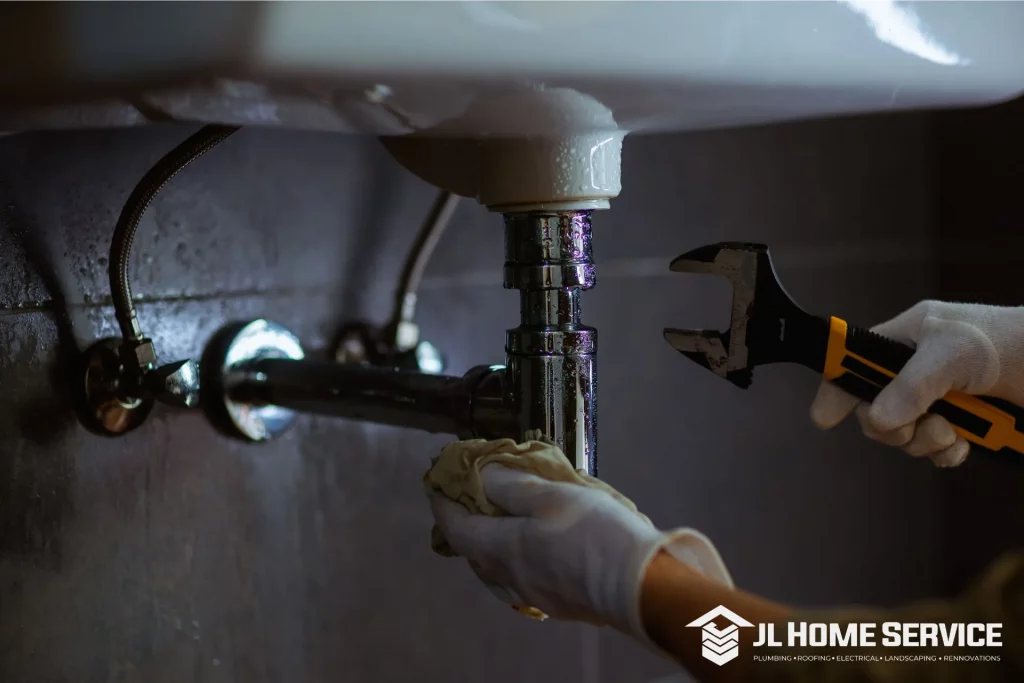
A common cause of low water pressure is a blockage in a pipe, faucet, or showerhead. When water cannot flow freely, the pressure can drop.
Minerals, dirt, and other debris can build up inside plumbing fixtures. This buildup makes it harder for water to pass through. That is why you may experience low water pressure.
If only one faucet or showerhead has low pressure, the blockage is likely there. If the problem affects several fixtures, the blockage may be deeper in the plumbing system.
2. Water meter valve issues
If your home’s water pressure suddenly drops, the water meter valve is one of the first things to check. It acts like a gate that controls the flow of water into your home. If the valve is not fully open, less water can enter your plumbing system, which may lead to low water pressure.
This sometimes happens after plumbing work or repairs. If multiple faucets and showers have low pressure, checking the water meter valve may help you find the source of the problem.
3. The pressure regulator is failing
A pressure regulator helps keep water pressure at the right level in your home. Like any plumbing component, it can wear out over time due to age, mineral buildup, and regular use. If it stops working properly, you may notice a sudden drop in water pressure.
One sign of a failing pressure regulator is low water pressure in several areas of the house at the same time. Checking the faucets and showers can help you determine if the issue is affecting the entire plumbing system.
4 . Plumbing system leak
A leak in your plumbing system can cause low water pressure. When water escapes from a pipe, less water reaches your faucets, showers, and other fixtures.
Some leaks are easy to find, but others can stay hidden for a long time. If your water pressure suddenly drops or your water bill is higher than usual, it may be a sign of a plumbing leak.
5. Municipal water supply problems
Low water pressure is not always caused by a problem inside your home. Water main breaks and repair work can reduce water pressure in your area. Water pressure usually returns to normal once the problem is fixed.
6. Mineral buildup in pipes
Water contains natural minerals that can leave deposits inside pipes. As these deposits build up, they can restrict water flow and cause lower water pressure.
This problem is more common in older plumbing systems and may affect multiple fixtures throughout the home. If the buildup is severe, professional pipe cleaning or pipe replacement may be needed to restore proper water flow.
7. Frozen Pipes
A sudden drop in water pressure during cold weather may be caused by a frozen pipe. When water freezes inside a pipe, it can block the flow of water to your faucets and fixtures.
This can lead to low water pressure or no water flow at all. If left untreated, it may cause cracks or burst pipes. Taking action quickly can help prevent costly plumbing problems.
How to Troubleshoot Sudden Low Water Pressure
If your water pressure suddenly drops, start by checking a few common causes. This can help you determine whether the problem is minor or needs professional attention.
Test multiple fixtures
Start by checking several faucets and showers around your home. This can help you find out if the problem affects just one fixture or your entire plumbing system.
If only one faucet or shower has low water pressure, the fixture may be clogged. If several fixtures have weak water flow, the problem may be coming from another part of your plumbing system.
Check for active leaks
Even a small leak can affect how water flows through your home. Look for signs such as damp spots, water stains, puddles, or an unusually high water bill. If you hear running water when no fixtures are being used, a hidden leak may be the cause.
Inspect the main shutoff valve
If the main shutoff valve control is not fully open, it can reduce water pressure throughout the house. Check to make sure the valve is completely open, especially if plumbing work was recently completed. A partially closed valve is a simple issue that can sometimes be overlooked.
Ask neighbors if they have the same problem
Asking nearby neighbors can help you find out if others are experiencing the same issue. If several homes have low water pressure, there may be a water main break, repair work, or another issue affecting the area.
Test with a water pressure gauge
A water pressure gauge can help you check the water pressure in your home. You can find one at most hardware stores.
Most homes have a water pressure between 40 and 60 psi (pounds per square inch), although the ideal range may vary slightly. If the reading is lower than normal, it may be a sign of a plumbing problem. A plumber can help find the cause and recommend the right solution.
How to Prevent Low Water Pressure
The best way to deal with low water pressure is to prevent it before it starts. These simple tips can help protect your plumbing system.
Regular inspection
Many plumbing problems start small before they affect water pressure. Regular inspections can help identify leaks, buildup, and other issues early.
Fixing these problems right away can help keep water flowing properly and reduce the risk of costly repairs in the future.
Replacing old plumbing components
Older plumbing parts can wear out and affect water flow. Pipes, valves, and pressure regulators may not work as well as they once did, which can lead to low water pressure.
Replacing old plumbing parts is an investment in your home’s plumbing system. It can help improve water flow, support consistent water pressure, and reduce future maintenance needs.
Water softening systems
Some homes have water with high levels of minerals, such as calcium and magnesium. These minerals can leave deposits inside pipes and make it harder for water to flow.
A water softening system helps reduce these minerals before they enter your plumbing system. This can help prevent buildup, maintain good water pressure, and extend the life of your pipes and fixtures.
Need Help with Sudden Low Water Pressure?
If you’ve checked the common causes and your water pressure is still low, it may be time to have your plumbing system inspected. There may be issues with the main water line that aren’t always easy to identify on your own.
Our professional plumbing services in Oakley, CA and nearby areas can help identify the underlying cause, make the necessary repairs, and restore reliable water pressure.
FAQs
Can low water pressure damage your plumbing system?
Low water pressure is not usually harmful on its own. However, it can be a sign of a plumbing problem that needs attention. Hidden leaks, aging pipes, and worn plumbing parts can all cause low water pressure. Fixing these issues early can help prevent more serious damage.
Is low water pressure a plumbing emergency?
In most cases, no. Low water pressure is not always an emergency and may be caused by a minor plumbing issue. But if your water pressure suddenly drops or you notice leaks, water damage, or no water coming from your faucets, you should have the problem checked right away.
What water pressure should a house have?
Most homes should have a water pressure level between 40 and 60 PSI (pounds per square inch). This is usually enough to provide a steady water flow throughout the home.
If your water pressure is too low, you may notice weak water flow from faucets, showers, and other fixtures. You can use a water pressure gauge to check your home’s water pressure. If the reading is lower than normal, a plumber can help find the cause of the problem.